
Glenys and Barry had married in 1968 and divorced in 1983, but their relationship never truly ended. They remained unusually close friends, raising their two children and continued to trust in each other’s integrity.
Barry moved in and out of Glenys’s life over the decades, sometimes literally: after periods in prison he would return to live with her while getting back on his feet.
Around 2011, Barry, then about 65 years old, wanted a quiet rural place to live. His sister owned a bush block at Glenwood containing a basic habitable shed, a drop toilet and a few fruit trees. Barry asked Glenys to buy it.
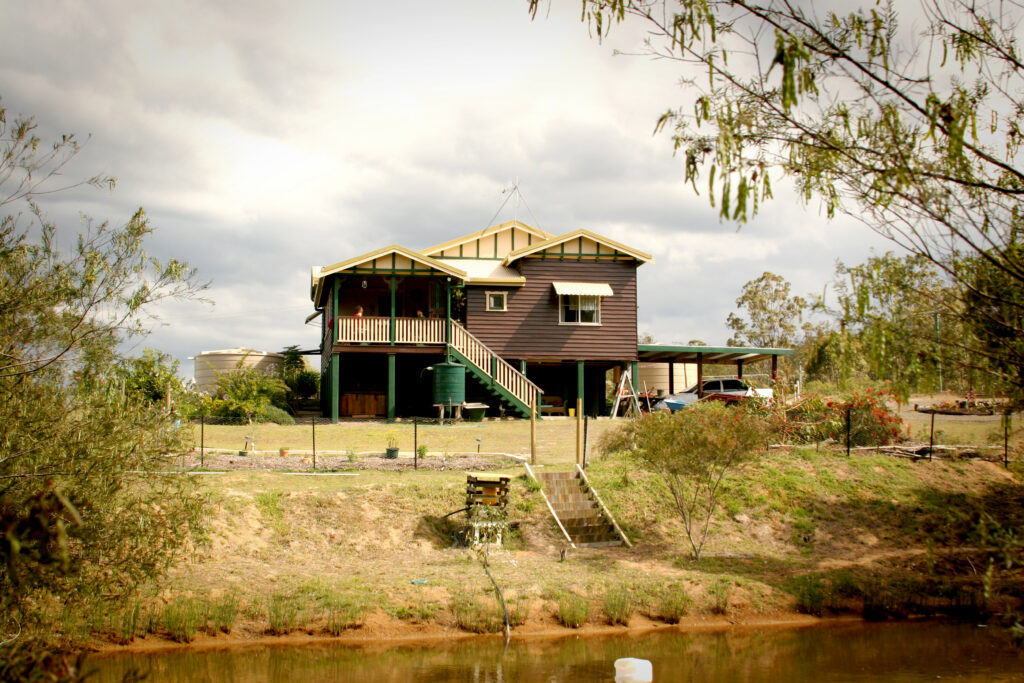
The purchase price was $110,000, and although Barry supplied the money, the property was registered entirely in Glenys’s name. The arrangement was informal but clear in Glenys’s mind: Barry could live there, maintain it and pay the rates, while she remained the legal owner.
The arrangement also protected the land if Barry ran into legal or financial trouble again.
Barry moved into the shed in late 2011 and slowly settled into life on the property. Glenys visited most weekends, helping him cook and set up the place. At this stage there was no sign of Selene Paterson, the woman whose claim would later bring the matter before the District Court.
Selene, eventually entered Barry’s life and arrived at the property sometime around early 2013 aged about 46. The evidence suggested she first came because she needed a place to keep a horse.
What began as a temporary arrangement evolved into a romantic relationship. For several years Selene and Barry lived together on the property, although witnesses described the relationship as turbulent, with frequent arguments and temporary separations.
During this time the Glenwood block deteriorated noticeably. Scrap metal, aluminium cans and miscellaneous objects accumulated across the land, largely connected with Selene’s hobby of collecting recyclable materials.
Numerous dogs also appeared on the property, eventually attracting attention from the local council for being unregistered. Barry tolerated these developments but was never enthusiastic about them.
Selene later claimed that during this period she and Barry built a shared life and that the property was effectively their home together. She said Barry had told her that although Glenys held the title, the land really belonged to him and was intended to become theirs.
She relied heavily on a handwritten 2016 note in which Barry stated that if he died his possessions and property interests should go to his “loving partner Selene”. Selene also argued that she had contributed labour to improvements on the land and had helped Barry with various activities.
Barry died unexpectedly on 9 November 2022. Selene refused to leave the property and told Barry’s family that the land belonged to her. Glenys, still the registered owner, demanded possession. When Selene refused, litigation followed.
When the dispute reached District Court, presiding judge Bernard Porter KC examined the evidence closely and found that Selene’s version of events did not withstand scrutiny.
He accepted Glenys as an honest witness whose account was consistent with the objective facts. Selene, although not deliberately dishonest, was described as an unreliable historian whose recollections were coloured by her strong belief that she deserved the property because of her relationship with Barry.
A critical difficulty for Selene was that she had never spoken with Glenys about the property. She conceded this openly during cross-examination. Any belief she had about ownership came entirely from conversations with Barry.
That was fatal to the theory that there had been a common intention between Glenys and Selene giving rise to an equitable interest.
The judge also found there was no evidence that Selene made meaningful financial contributions toward the property. Her own estimate of her income during some years was only about $2,000 annually, earned mainly from scrap collection and occasional vehicle sales. That made it implausible that she could have contributed materially to the purchase or maintenance of the land.
It also emerged that in April 2021 Glenys had issued a letter requiring Selene to vacate the property after complaints from the Fraser Coast Regional Council about its state and appearance.
Selene herself had even written an email acknowledging that she had left the property on 21 April 2021 at Barry’s request.
Judge Porter concluded Selene did not establish any equitable interest overriding Glenys’s registered title.
The court ordered that Selene give up possession of the property to Glenys and pay her $34,200 in “mesne profits”, compensating Glenys for the value of Selene’s occupation after she had refused to leave.
Irvine v Paterson [2026] QDC 32 Porter KC DCJ, 16 March 2026